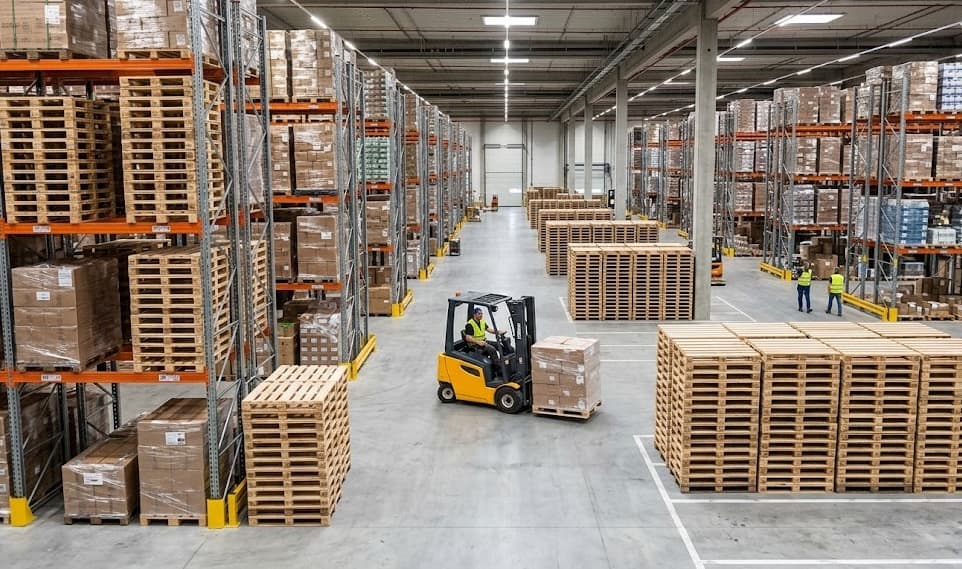
Buy & Sell Pallets
Whether you need recycled pallets for your operations or have surplus pallets to move, Phoenix Pallet Recycling connects you with partner suppliers. Availability depends on the supplier.
Request a Quote
Fill out the form and a partner supplier will follow up with a customized quote.
Recycled Pallets,
Quoted by Suppliers
Buying recycled pallets is available through partner suppliers. Recyclers typically sort, repair, and grade used pallets before reselling them. Reused pallets often cost less than new ones, so ask for a quote to compare.
- Common sizes such as 48x40, 48x48, and 42x42, depending on the supplier
- Grade A, B, C, and combo loads are commonly offered
- Bulk quantities can often be quoted at a lower per-pallet cost
- Availability varies by size and supplier
- Heat-treated (ISPM 15) options for export, where a supplier offers them
- Pricing is by quote from partner suppliers
Move Surplus Pallets
Instead of Landfilling
If you have used pallets to move, a partner supplier may be interested in them. Recyclers commonly take pallets in a range of grades and conditions, from one-trips to well-worn cores, and decide what to repair, resell, or regrind.
- Some suppliers take damaged pallets as well as sound ones
- Whether a supplier pays for pallets depends on grade, size, and quantity
- Pickup may be available through partner suppliers
- Recurring pickups may be available from some suppliers
- Payment terms are set by the supplier
- Moving pallets to a recycler can reduce what you send to disposal
Commonly Described Pallet Grades
Used pallets are commonly described as Grade A, B, or C. There is no single legal grade definition, so ask the supplier exactly what their grade means before you order.
Premium Grade
Commonly described as like-new condition. Few or no broken boards and little staining. Clean and suited to high-visibility applications.
Retail, consumer goods, export
Standard Grade
Commonly described as fully functional with minor cosmetic wear. May have light staining or repaired boards.
Warehousing, manufacturing, shipping
Economy Grade
Commonly described as showing clear signs of use, often with multiple repairs, but still usable for standard loads.
One-way shipping, storage, heavy industry
Mixed Load
A mix of A, B, and C grade pallets. A cost-focused option where appearance does not matter, only function.
High-volume operations, cost-first buyers
What Affects
Pallet Pricing?
Pallet pricing is set by each partner supplier and depends on several factors. Here are the key variables that commonly affect a quote:
Pallet Size
Standard 48x40 pallets are the most widely available. Specialty and oversized pallets may cost more.
Grade & Condition
Higher grades generally cost more than lower grades. The better the condition, the higher the value, for buyers and sellers.
Order Volume
Larger orders can often be quoted at a lower per-pallet cost. Ask the supplier how quantity affects the price.
Wood Type
Hardwood pallets often cost more than softwood (pine, spruce) because of durability and weight capacity differences.
Treatment Requirements
Heat treatment for ISPM 15 compliance is an added step and may add to the cost. It is required for most international export shipments.
Delivery Distance
Delivery, where a supplier offers it, depends on the distance and the size of the load.
Request a Custom Quote
Every order is different. Tell us what you need through the form, and a partner supplier follows up with a quote. Free, no-obligation quote request.
How many pallets do you need?
A single pallet or a full load
What size are you looking for?
48x40, 48x48, 42x42, or custom
Where are you located?
Delivery may be available, depending on the supplier
How often do you need pallets?
One-time or recurring
Pallet Sizes and Availability
These are widely used pallet sizes. Which sizes are available depends on the partner supplier, so include the size you need when you request a quote.
GMA Standard
Most commonDrum Pallet
CommonTelecom / Paint
CommonChemical Pallet
Less commonDairy Pallet
Less commonBeverage Pallet
Less commonEuro Pallet
LimitedAny Dimension
By RequestPallet Size Reference
A quick reference for common pallet types and the grades they are often sold in. Availability for any size or grade depends on the partner supplier.
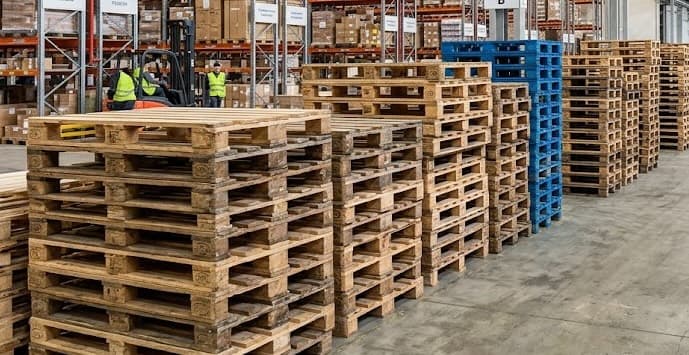
Sorted by Grade and Size
Recyclers commonly sort used pallets by grade and size
This table is a general reference, not a list of what any supplier has on hand. For availability on a specific size or grade, request a quote online.
How Pallet Pricing Works
Understanding what drives pallet costs helps you compare quotes, whether you are buying or selling. Partner suppliers set their own prices.
Pallet Grade
Highest impactHigher grades generally command higher prices because of their cleaner appearance and fuller structural integrity. Lower grades and mixed (combo) loads are typically the lower-cost option for buyers who care about function over looks.
Pallet Size
High impactStandard 48x40 GMA pallets tend to be the most cost-effective because supply and demand are high. Less common sizes can cost more because they are harder to source. Custom and oversized dimensions are priced based on lumber requirements and build time.
Order Volume
High impactLarger orders can often be quoted at a lower per-pallet cost than small ones of the same grade and size. For very large or recurring needs, ask the supplier how they price volume.
Wood Species
Moderate impactHardwood pallets (oak, maple, mixed hardwood) often cost more than softwood (pine, spruce) because of durability and load capacity. In heavy-use applications, hardwood pallets may last longer.
Treatment Requirements
Moderate impactHeat treatment for ISPM 15 export compliance, where core temperature reaches 56 °C for 30 minutes, adds a process step performed by an authorized treatment provider, and treated pallets carry the IPPC mark. Expect that step to be reflected in the quote.
Delivery Distance
Variable impactWhere a supplier offers delivery, the cost depends on distance, load size, and route. Pickup or delivery may be available through partner suppliers; ask when you request a quote.
Buying Pallets in Bulk
Ordering in volume often changes how a supplier quotes a job. Here are a few things worth raising when you request a quote for a larger quantity.
Per-Pallet Cost
Larger quantities can often be quoted at a lower per-pallet cost than small orders. Ask the supplier how quantity affects the price you are quoted.
Recurring Needs
If you need pallets repeatedly, say so in your request. Whether a supplier can support repeat orders depends on the supplier.
Mixed-Size Orders
Some suppliers will quote a combined order across several sizes and grades. Include every size and quantity you need so the supplier can price the whole job.
How to Move Your Surplus Pallets
Here is how a typical request works, from your first message to the terms a partner supplier offers.
Send Your Details
Fill out the online form. Tell us how many pallets you have, their approximate sizes and condition, and your location in Phoenix or the Valley. Photos are helpful but not required; a brief description works fine.
A Partner Supplier Follows Up
Your request is passed to a partner supplier, who follows up with questions or a preliminary quote. Terms vary by supplier and depend on grade, size, quantity, and condition. Even lower-grade and damaged pallets may have value to some recyclers.
Pickup, Where Available
Pickup may be available through partner suppliers. A supplier will commonly confirm the count, size, and grade breakdown, and may adjust the quote if the actual condition differs from the initial description.
Loading
Loading arrangements are set by the supplier. Ask whether they use their own equipment or your dock, and whether the pallets need to be stacked or banded before pickup.
Payment Terms
Whether a supplier pays for pallets, and how, is set by that supplier. Ask for the terms in writing when you accept a quote.
What Happens
After You Submit
Phoenix Pallet Recycling takes your request and passes it to a partner supplier. Response times and terms vary by supplier. Here is what helps a quote come back accurate.
Standard Sizes and Grades
For common sizes and grades, a partner supplier follows up with a quote based on your quantity and location.
Custom Builds
Custom-size pallets and specialty treatments are available by request through partner suppliers. They usually need material costing, so details help.
Large or Multi-Location Orders
Large orders or deliveries to more than one location need more planning. List every location and quantity in your request.
What to Include in Your Quote Request
The more detail you provide upfront, the more accurate your quote can be. Here is the information that helps a supplier quote you:
Pallet size needed
e.g., 48x40, 48x48, or custom dimensions
Quantity
Exact count or estimated range
Grade preference
A, B, C, Combo, or 'best value recommendation'
Delivery location
City or area in Phoenix and the Valley
Timeline
When do you need them? One-time or recurring?
Special requirements
Heat treatment, hardwood, solid deck, etc.
Buying or selling
Are you looking to purchase or offload pallets?
Frequently Asked Questions
Can I sell mixed pallet grades in one pickup?
Many recyclers accept mixed A, B, and combo grades in the same load and sort them afterward. Whether a particular supplier does depends on the supplier, so mention the mix in your request.
How are pallets priced?
Pricing is by quote from partner suppliers and depends on grade, condition, size, and quantity. Photos or a short description help a supplier quote more accurately.
Is there a minimum for pallet pickups?
Minimums are set by each supplier. Some prefer larger loads, while others may combine smaller ones. State your quantity and location in the request and the supplier will tell you what is possible.
When would I be paid for pallets I sell?
Whether a supplier pays for pallets, and the payment method and timing, are set by that supplier. Ask for the terms when you receive a quote.
Can I get paperwork for pallets I send to a recycler?
Documentation varies by supplier. If you need a record of what was picked up, ask the supplier what they can provide before you accept a quote.