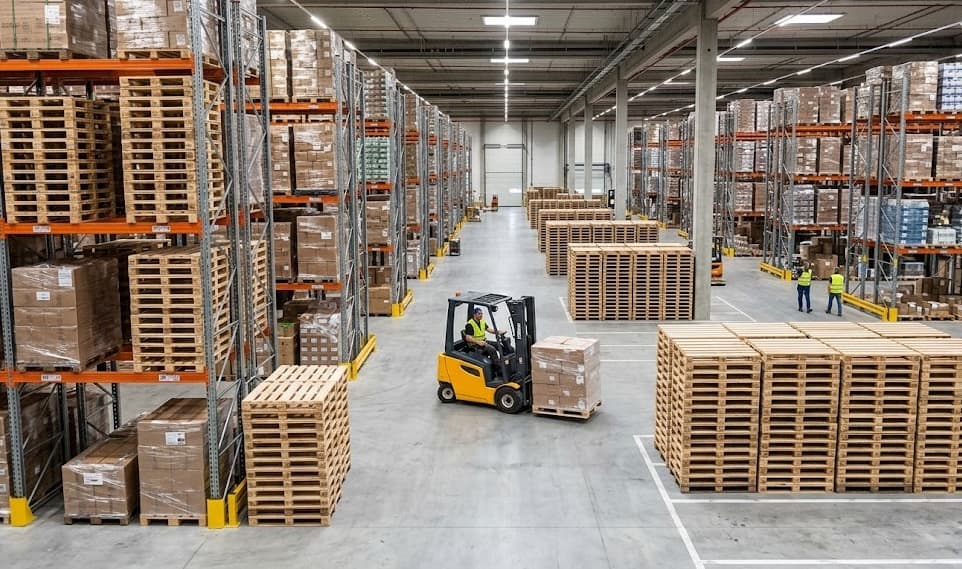
Pallet Recycling
Pallet recycling is available through partner suppliers. Recyclers typically collect, sort, and process used wood pallets so they can be reused instead of landfilled.
Request a Quote
Fill out the form and a partner supplier will follow up with a customized quote.
How Pallet Recycling Typically Works
Practices vary by supplier, but pallet recycling generally follows these steps. A partner supplier can explain exactly how they handle your pallets.
Collection
Used pallets are collected from the customer's site, or dropped off, depending on the supplier. Pickup may be available through partner suppliers.
Sorting & Grading
Recyclers typically sort pallets by size, condition, and grade, separating those that can be reused, those that can be repaired, and those that are best used for material recovery.
Repair
Repairable pallets are typically restored by replacing broken boards, resecuring nails, and reinforcing stringers so they are usable again.
Material Recovery
Pallets beyond repair are often dismantled. Usable lumber can be recovered for repair stock, and wood that cannot be repaired can often be ground into mulch or fuel, depending on the recycler.
Resale
Repaired and sorted pallets can be resold into the supply chain, so a pallet is reused instead of a new one being built.
What Happens to
Your Old Pallets?
What happens to a used pallet depends on its condition and on the recycler. In general, recyclers work down a list of options, starting with the one that keeps the most value in the wood:
Why Reuse Matters
Reusing a pallet avoids building a new one
A repaired pallet takes the place of a new pallet made from fresh lumber
Lumber can be recovered
Sound boards from pallets beyond repair can often be used to fix other pallets
Unrepairable wood can be ground
Depending on the recycler, ground wood goes to mulch, fuel, or bedding
Less goes to disposal
Sending pallets to a recycler can reduce what you send to the landfill
Pallet Types Recyclers Commonly Take
Most recyclers work with standard wood pallets. What a particular supplier accepts depends on the supplier, so describe your pallets in your request.
Stringer Pallets
The most common pallet type in North America. Recyclers commonly take 2-way and partial 4-way entry stringer pallets.
Block Pallets
4-way entry pallets using blocks instead of stringers. Common in European trade and heavier-duty applications.
Heat-Treated (HT) Pallets
ISPM 15 heat-treated pallets are used for international shipping and carry the IPPC mark. Many recyclers take HT-stamped pallets; confirm with the supplier.
Hardwood Pallets
Oak, maple, and mixed hardwood pallets. These heavier pallets often last longer and may have more resale value.
Softwood Pallets
Pine, spruce, and other softwood pallets. Lighter and often more affordable, these are the workhorses of domestic shipping.
Odd & Oversized Pallets
Non-standard dimensions, custom builds, and specialty pallets. Some suppliers take odd sizes; say so in your request.
What Recyclers Often Cannot Take
Request Pallet Recycling
Getting started with Phoenix Pallet Recycling takes one form. Here is what to expect:
Send a Request
Tell us about your pallet volume, location, and whether you need a one-time or recurring pickup. Free, no-obligation quote request.
A Partner Supplier Follows Up
Your request is passed to a partner supplier, who follows up about pickup or drop-off, loading, and what they can take.
Compare Terms
Depending on volume and pallet condition, a supplier may remove pallets at no charge, charge a fee, or pay for them. Terms are set by the supplier.
What Happens to Pallets That Cannot Be Repaired
Even pallets that have reached the end of their structural life can have value. Depending on the recycler, irreparable pallets are dismantled or ground and sent to one of a few common uses.
Landscape Mulch
Pallet wood can be ground into chips and sold as landscape mulch to landscapers, parks, and homeowners. Mulch made from reclaimed pallet wood takes the place of chips from newly cut trees. Nails and other metal are removed first, and not every recycler produces mulch.
Biomass Fuel
Clean wood chips can be used as biomass fuel in industrial heating and power generation. Wood is a renewable fuel, and using reclaimed pallet wood for it puts a waste material to work. Whether fuel is an option depends on the recycler and on what outlets exist nearby.
Animal Bedding
Some pallet wood, particularly untreated softwood such as pine and spruce, can be processed into shavings for animal bedding. The wood is screened to remove nails and contaminants first. Only some recyclers offer this, and treated or contaminated wood is not suitable.
Recycling vs. Landfill
Here is how recycling compares to landfill disposal in general terms. Specifics depend on the supplier and on your pallets.
Bottom line: Reusing and recycling pallets can reduce the wood you send to disposal and the number of new pallets that have to be built. Ask a partner supplier what they can do with your pallets.
Pickup and Drop-Off
What to Ask About
Pickup may be available through partner suppliers for requests from Phoenix and the Valley, including Phoenix, Scottsdale, Mesa, Tempe, Chandler, Gilbert, Glendale, Peoria, Surprise, Avondale, Goodyear, Buckeye, and Tolleson. Availability depends on the supplier. Here is what usually matters:
Volume
Many suppliers set a minimum load for pickup. Smaller quantities may need to be dropped off or combined with another load. State your count in the request and the supplier will say what is possible.
Scheduling
Some suppliers handle one-time pickups when you have a full load, and some may offer recurring pickups. Say which you need.
Coverage Area
Coverage varies by supplier. Requests from Phoenix and the Valley and Maricopa County are the focus of this site, and availability depends on partner suppliers.
Loading
Ask whether the supplier brings equipment to load pallets or expects them staged at a dock or in a designated area, and whether pallets need to be stacked or banded.
Payment or Fees
If your pallets are mostly Grade A or B (clean, structurally sound, standard sizes), a supplier may pay for them. Lower-grade loads may be removed at no charge or may carry a fee. Terms are set by the supplier.
Request Pallet Removal
Ready to clear out your pallets? Provide a few details through the form and a partner supplier follows up.
How many pallets do you have?
An estimated count is fine
Where are they located?
City or area in Phoenix and the Valley
What condition are they in?
A mix of grades is fine; describe what you have
Is there dock access?
Ground level, dock height, or outdoor staging area
How often do you need pickups?
One-time or recurring
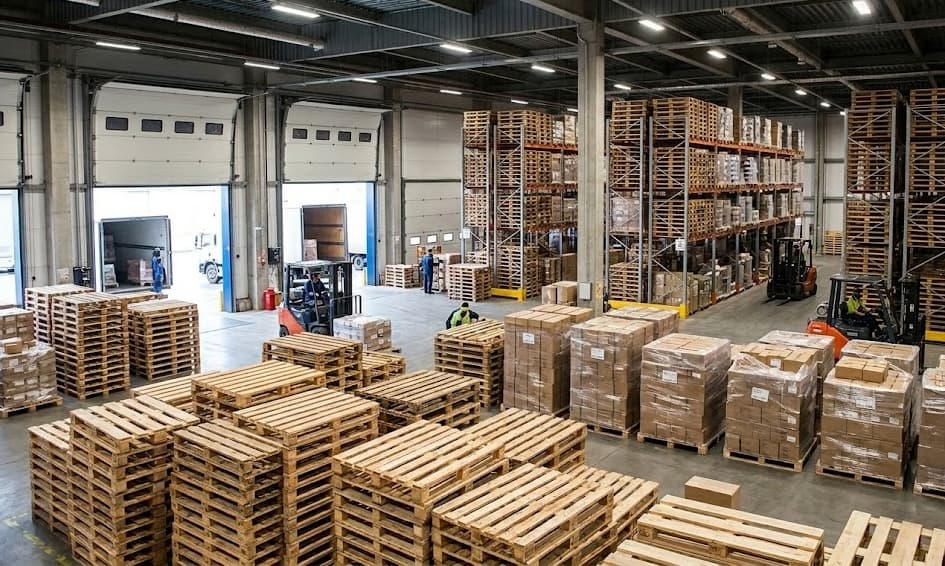
Pallet Recycling
Recyclers typically sort, repair, and regrind used pallets
Pallet Recycling: Myths vs. Facts
Misconceptions about pallet recycling can keep businesses from considering it. Here are some common myths and a more accurate picture.
Recycled pallets are weaker and less reliable than new pallets.
A well-repaired pallet can serve for many more trips, but quality varies by recycler and by grade. Load ratings are typical figures, so confirm the rating with the supplier for your application, and inspect pallets before loading heavy product.
Pallet recycling is not worth the effort for small businesses.
Even smaller quantities can be worth recycling. Some suppliers have minimums for pickup, but others accept drop-offs or combine smaller loads. Compare a recycler's terms with your current disposal costs.
It costs more to recycle pallets than to throw them away.
Not necessarily. Disposal usually involves hauling and landfill fees, while a recycler may remove good pallets at no charge or even pay for them. It depends on the supplier, the volume, and the condition of your pallets, so ask for a quote to compare.
All wood pallets end up in a landfill eventually.
Many do not. Pallets in good condition can be repaired and resold, damaged pallets can be dismantled for repair lumber, and wood beyond structural use can often be ground into mulch or fuel, depending on the recycler. Not every pallet can be recovered, and outcomes vary by supplier.
Pallet recycling is complicated to set up.
Getting started can be as simple as one form submission. Partner suppliers typically handle pickup arrangements, sorting, and grading themselves. Ask the supplier whether they need anything from you, such as pallets staged in one area.
Frequently Asked Questions
What pallet materials can be recycled?
Most recyclers take standard wood pallets in a range of grades, and many can also separate broken boards and stringers for reuse or regrind. Plastic and metal pallets are usually handled separately.
Can mixed or broken pallets be picked up?
Many recyclers take mixed grades and broken pallets and sort them after pickup. Whether a particular partner supplier does depends on the supplier, so describe what you have in your request.
How is pickup scheduled?
After you submit a request, a partner supplier follows up to arrange pickup or drop-off. Timing and availability depend on the supplier and on your location in Phoenix and the Valley.
Are drop-off options available?
Some suppliers accept drop-offs by arrangement. Ask the supplier that follows up on your request whether drop-off is an option and what they need beforehand.