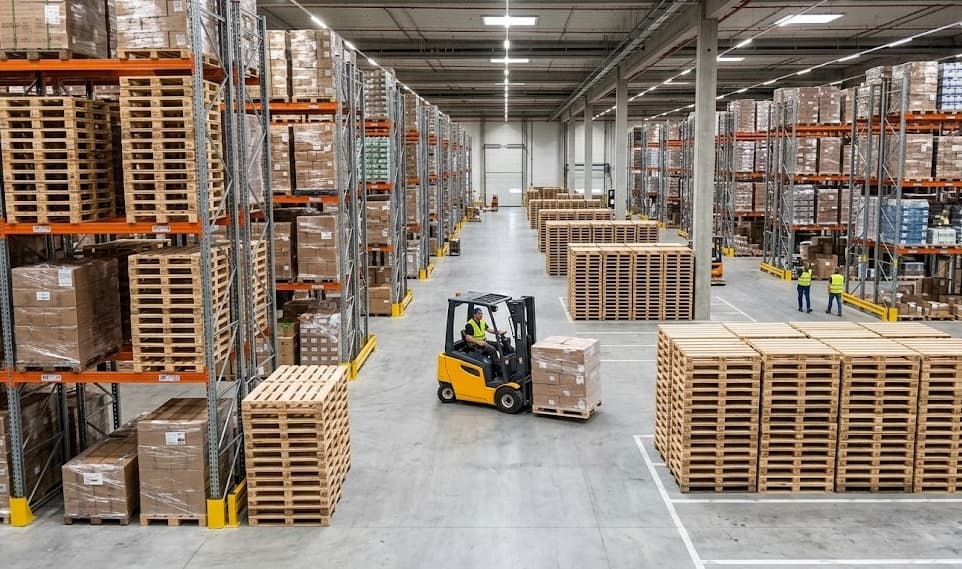
If your business ships, stores, or handles food products, the pallets you use are not just logistical tools — they are part of your food safety system. The FDA does not certify pallets directly, but its regulations around food contact surfaces, sanitary transportation, and the Food Safety Modernization Act (FSMA) create clear requirements for the pallets that carry food through the supply chain. Failing to meet these requirements can result in contaminated products, rejected shipments, regulatory action, and serious harm to consumers. This guide covers what you need to know to keep your pallet program compliant and your food products safe.
FDA Guidelines for Pallets in Food Transport
The FDA regulates food safety through multiple frameworks, and pallets intersect with several of them. While the FDA does not issue pallet-specific certifications, its regulations under 21 CFR Part 117 (Current Good Manufacturing Practice) and the Sanitary Transportation of Human and Animal Food rule (21 CFR Part 1, Subpart O) establish requirements that directly affect pallet selection and management.
Under these regulations, any surface that comes into contact with food — or that could reasonably be expected to contact food — must be clean, sanitary, and free from contamination. Pallets carrying open or semi-open food containers, produce cases, or unwrapped food items fall under this standard. Even pallets carrying sealed food packaging must be clean enough to prevent exterior contamination that could transfer during handling.
Key FDA Regulatory References
Current Good Manufacturing Practice (cGMP)
Requires sanitary conditions for food processing, packing, and holding. Pallets used in these environments must be clean and in good repair.
Sanitary Transportation Rule
Requires that vehicles and transportation equipment (including pallets) used to transport food are designed and maintained to prevent contamination.
Hazard Analysis & Preventive Controls
Requires food facilities to identify and address potential hazards, including contamination from equipment and materials like pallets.
FSMA Compliance: What It Means for Your Pallets
The Food Safety Modernization Act fundamentally shifted FDA enforcement from reactive (responding to outbreaks) to proactive (preventing contamination before it occurs). Under FSMA, food companies must implement preventive controls across their entire supply chain — and that includes the pallets they use.
FSMA requires food facilities to conduct hazard analyses that identify potential biological, chemical, and physical contamination risks. Pallets represent all three hazard categories. Biological hazards include mold, bacteria, and pest infestation in wooden pallets. Chemical hazards include residues from previous loads (such as chemicals stored on the same pallet), treatments, or coatings. Physical hazards include splinters, nails, and wood fragments that could contaminate food products.
Your FSMA-compliant food safety plan should include written procedures for pallet inspection, acceptance criteria, and rejection protocols. Every pallet that enters your food handling facility should be inspected for visible contamination, damage, mold, odors, and foreign materials before use.
Contamination Risks: What to Watch For
Understanding the specific contamination risks associated with pallets helps you build effective prevention protocols. Here are the primary risks and how to mitigate them:
Mold Growth
Wood pallets can develop mold when stored in humid conditions or when moisture content exceeds 20%. Mold spores can transfer to food packaging and products, creating health risks and triggering recalls. Inspect pallets for visible mold, musty odors, and dark staining.
Chemical Residue
Pallets previously used to transport chemicals, pesticides, or industrial products may retain residues that can contaminate food. Always verify pallet history and source food-grade pallets from trusted suppliers who track pallet provenance.
Pest Infestation
Wood pallets can harbor insects, larvae, and rodent activity. Pallets stored outdoors are particularly vulnerable. Heat treatment (ISPM-15 compliant) eliminates most pest risks, but ongoing storage conditions matter.
Physical Contamination
Splinters, loose nails, wood fragments, and staples from damaged pallets can fall into food products during loading or storage. Use only pallets in good structural condition and reject pallets with protruding fasteners.
Cross-Contamination
Pallets that have carried raw meat, poultry, or allergens can transfer biological contaminants to subsequent loads. Separate pallet streams for raw and ready-to-eat products when possible.
Material Choices: Wood, Plastic, and Hybrid Options
The material your food-grade pallets are made from significantly affects contamination risk, cleanability, and compliance. Each material has trade-offs:
Heat-Treated Wood
Cost-effective, widely available, recyclable, ISPM-15 compliant
Porous surface absorbs moisture, harder to sanitize, susceptible to mold
Dry goods, sealed packaging, non-direct-contact applications
Plastic (HDPE)
Non-porous, easy to sanitize, mold-resistant, long lifespan
Higher upfront cost, heavier, not easily recycled locally
Direct food contact, cold storage, pharmaceutical, clean rooms
Presswood / Composite
Lightweight, no nails, export-ready, consistent quality
Lower load capacity, limited reuse cycles, moisture-sensitive
Export shipments, lightweight products, one-way shipping
For most food applications, heat-treated wood pallets in good condition are sufficient and cost-effective — especially when carrying sealed or packaged food products. For applications involving direct food contact, wet environments, or stringent sanitation requirements, plastic pallets may be the better choice. Phoenix Pallet Recycling provides Grade A heat-treated pallets suitable for food-grade applications in most packaging scenarios.
Best Practices for Food-Grade Pallet Management
Implementing these best practices will help your facility maintain compliance and protect your food products:
Inspect Every Inbound Pallet
Check for mold, odors, stains, damage, protruding nails, and foreign materials. Reject any pallet that does not meet your acceptance criteria.
Source from Trusted Suppliers
Work with pallet suppliers who track provenance, segregate food-grade inventory, and can provide documentation of heat treatment or sanitation.
Store Pallets Properly
Keep clean pallets in dry, covered areas away from chemicals, waste, and outdoor contamination. Elevate stored pallets off the ground when possible.
Separate Pallet Streams
Maintain separate inventories for food-grade and general-use pallets. Never use a pallet for food that was previously used for chemicals or non-food industrial products.
Document Your Process
Keep written records of pallet inspection procedures, acceptance criteria, and rejection logs. This documentation supports FSMA compliance audits.
Train Your Team
Ensure warehouse staff understand food-grade pallet requirements and know how to identify contamination risks. Regular training reinforces compliance.